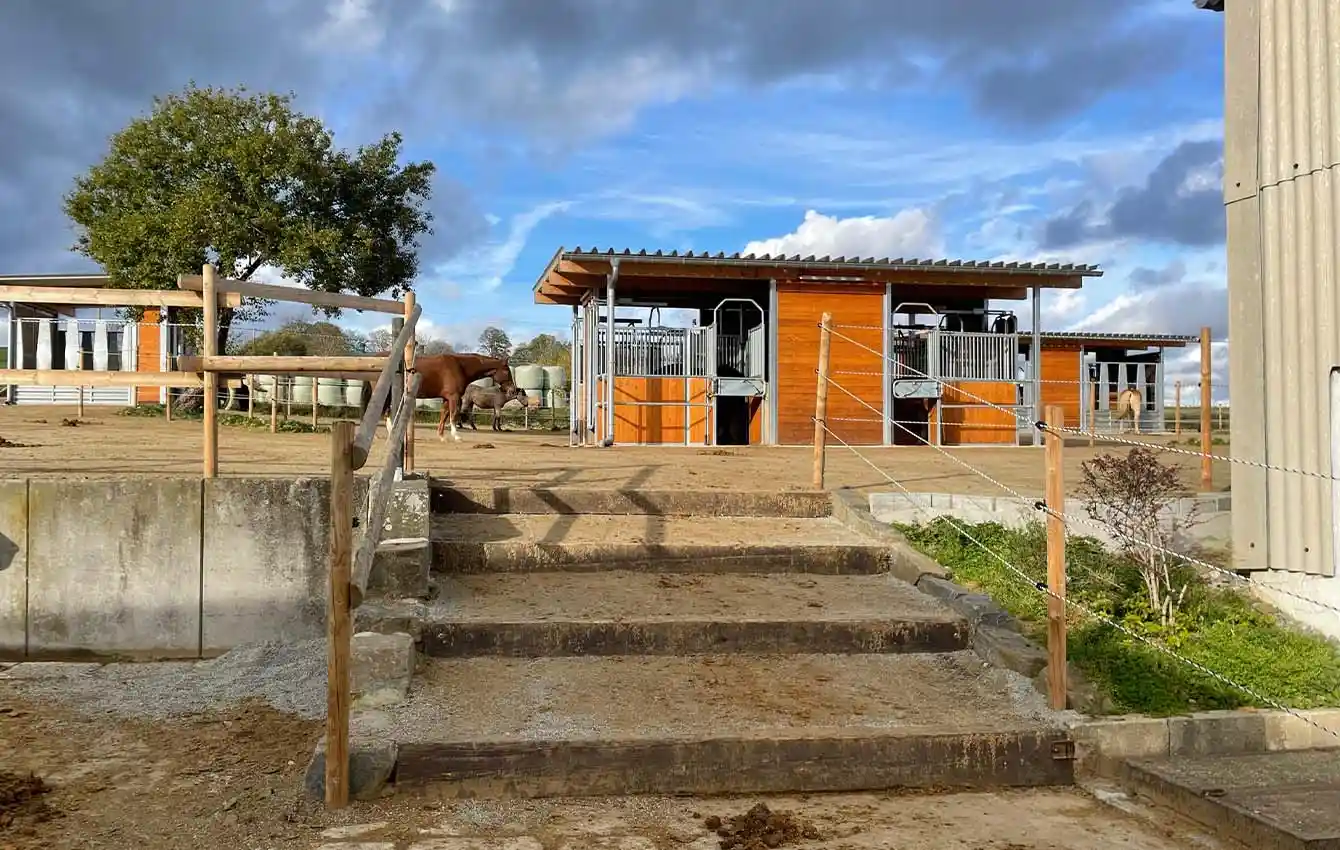
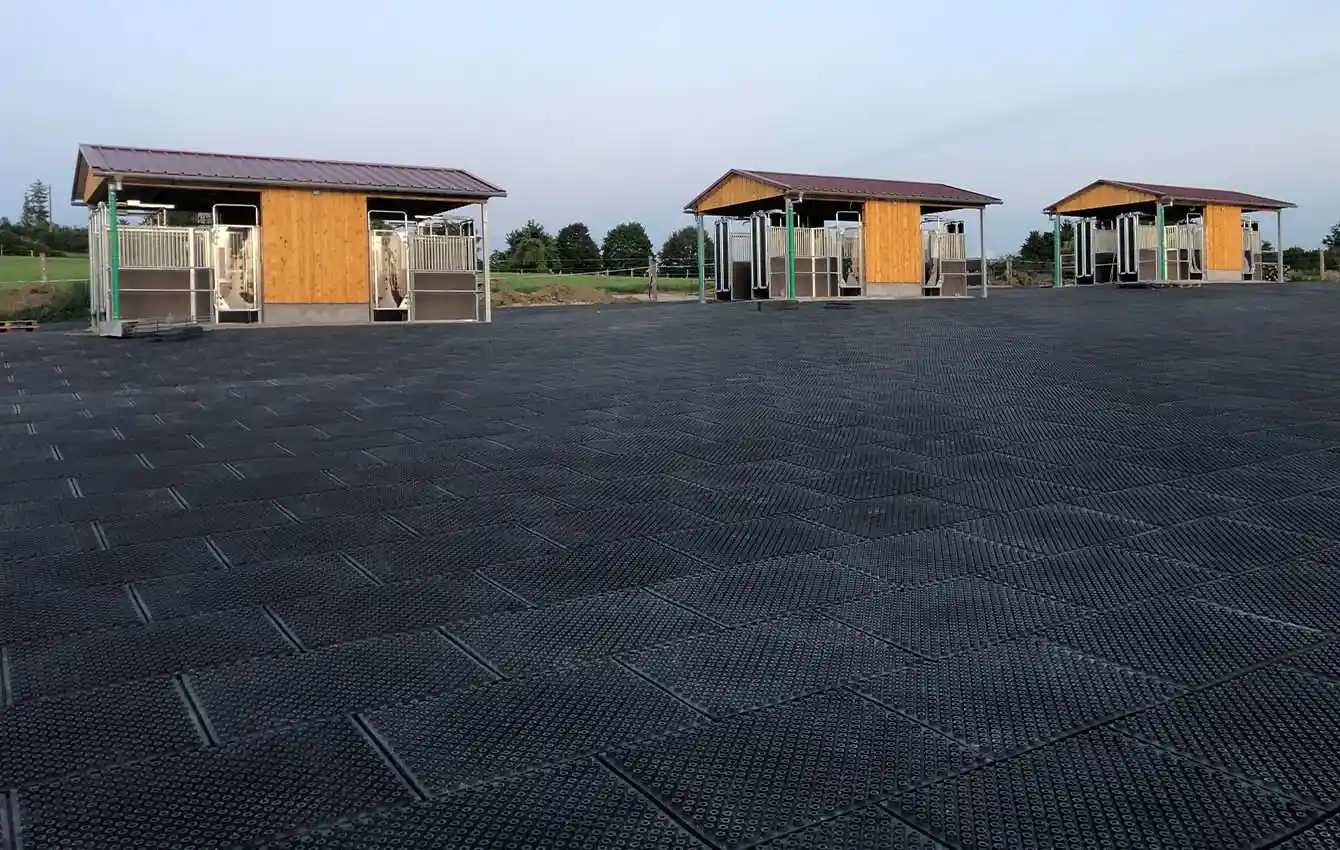
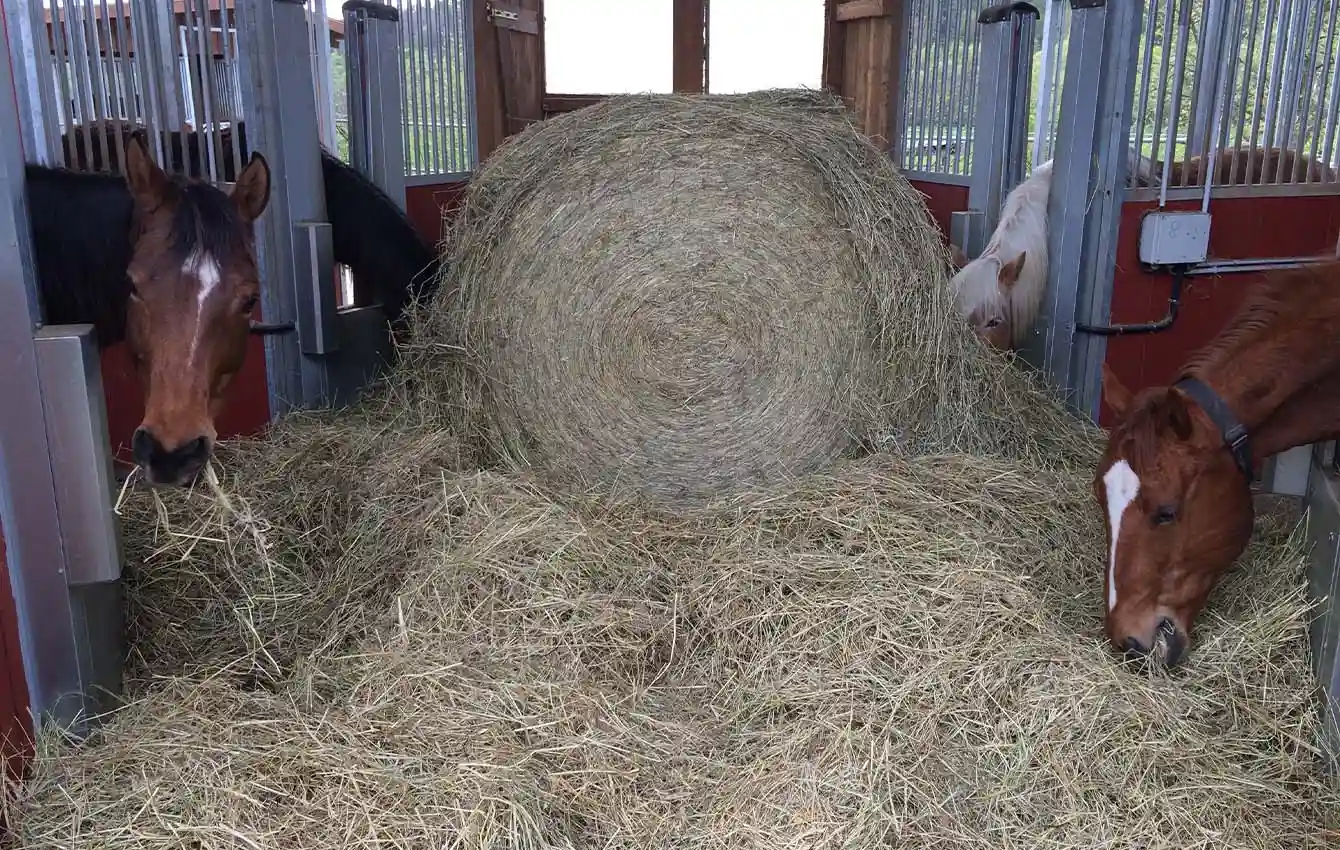
HIT-Active Stable - Species-appropriate horse management – with system
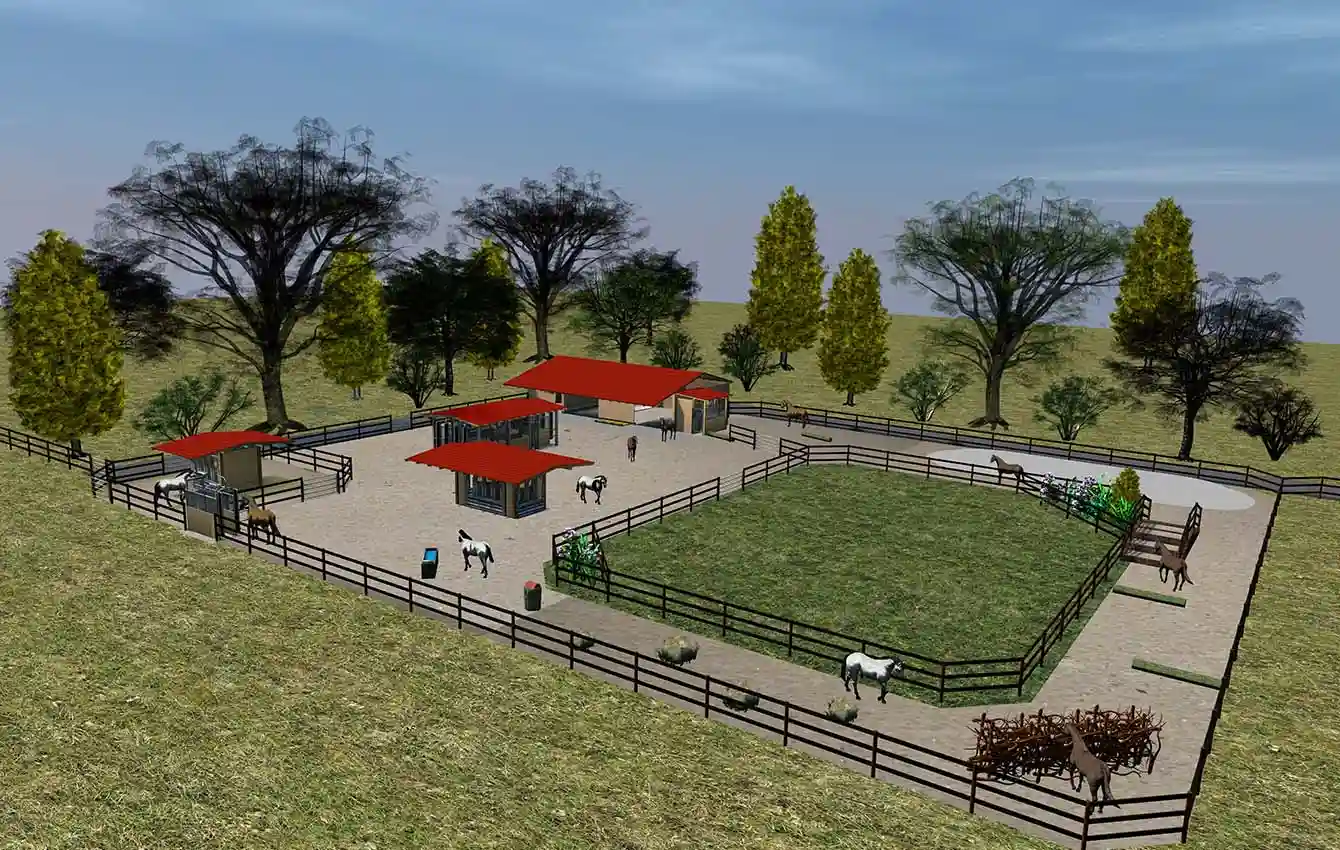
- spacious lying areas
- feeding and watering zones (“marketplace”)
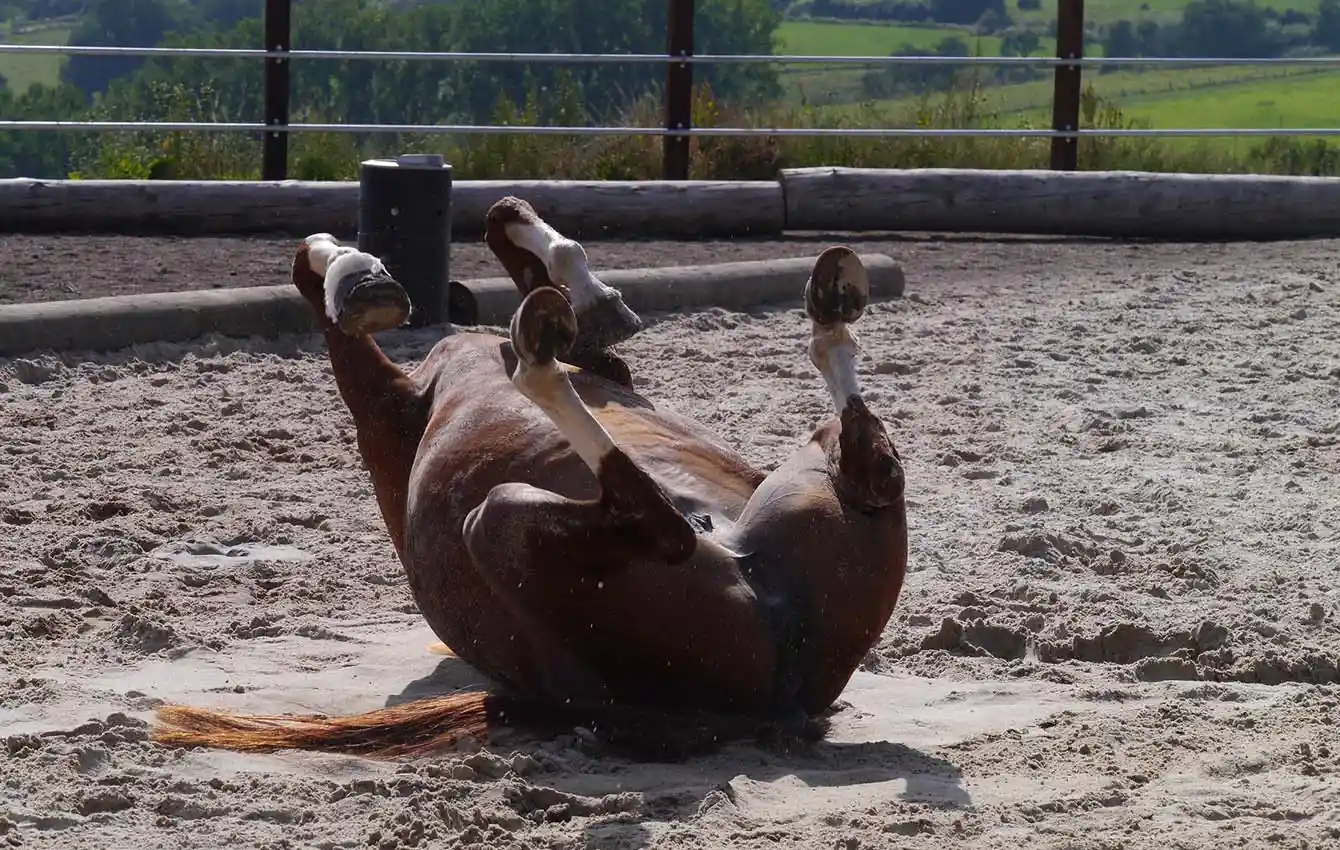
- rolling areas
- varied walkways and trails
Key advantages at a glance
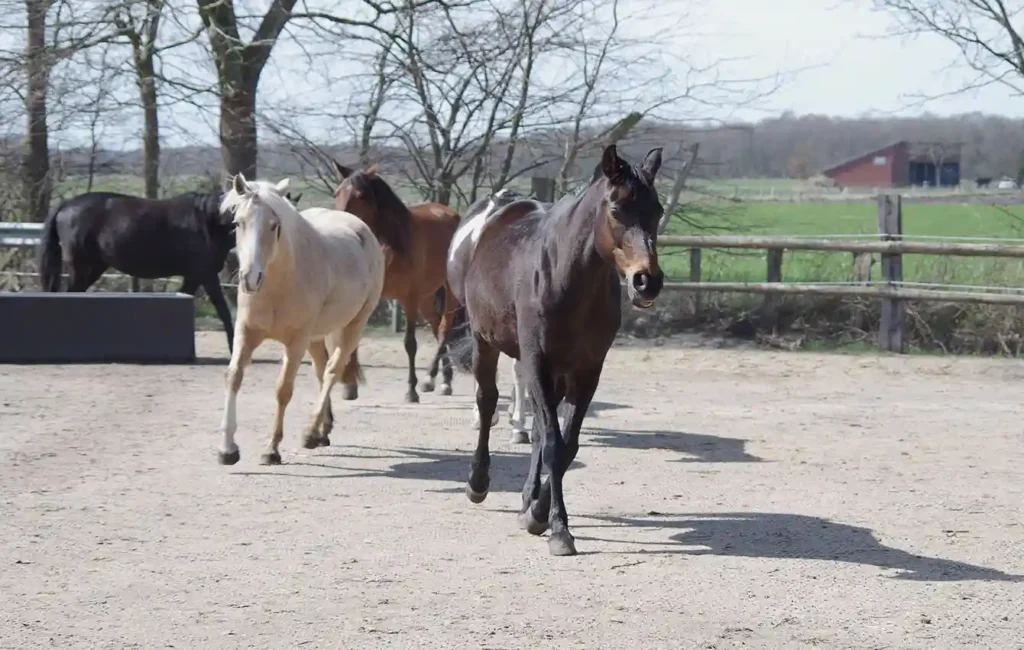
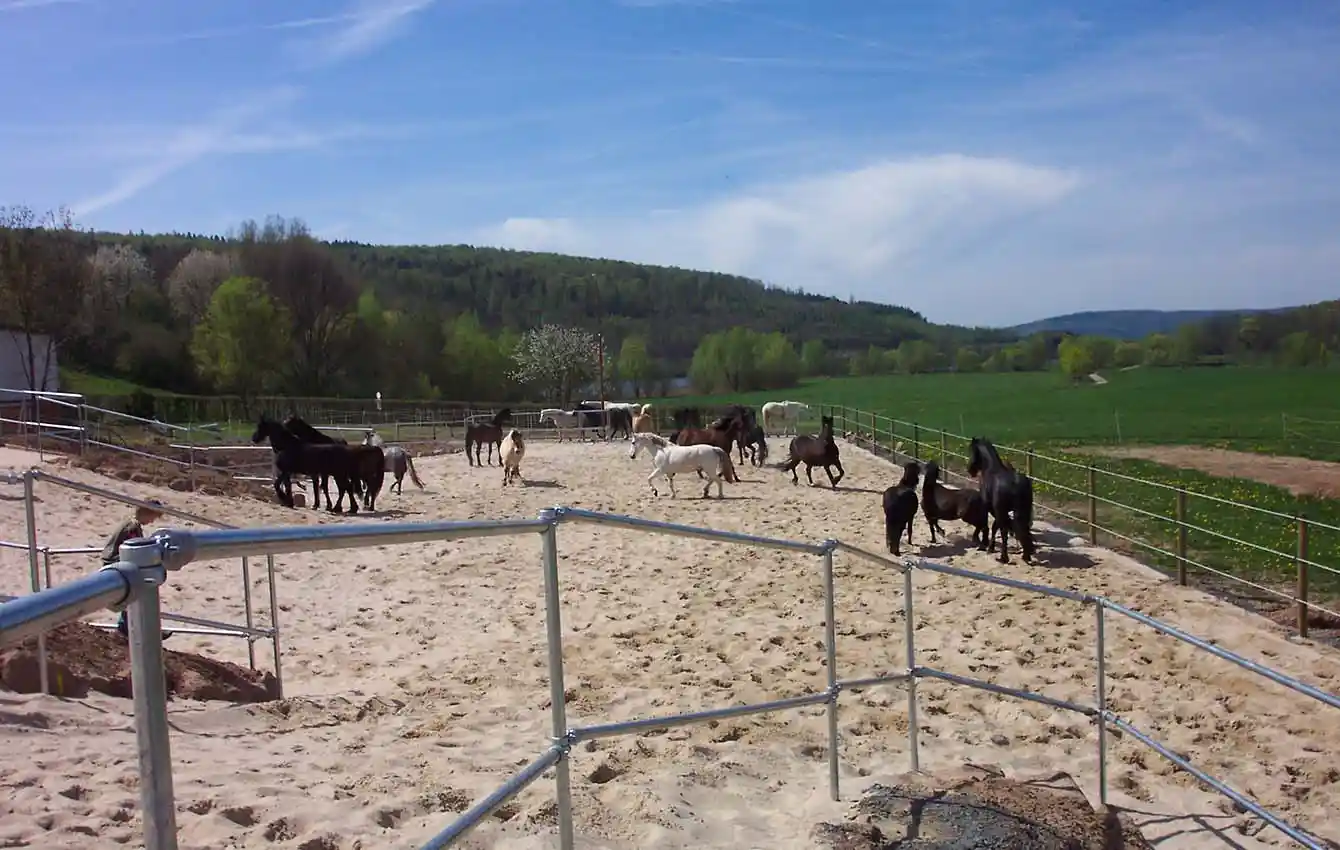
Group housing
For healthy social behaviour
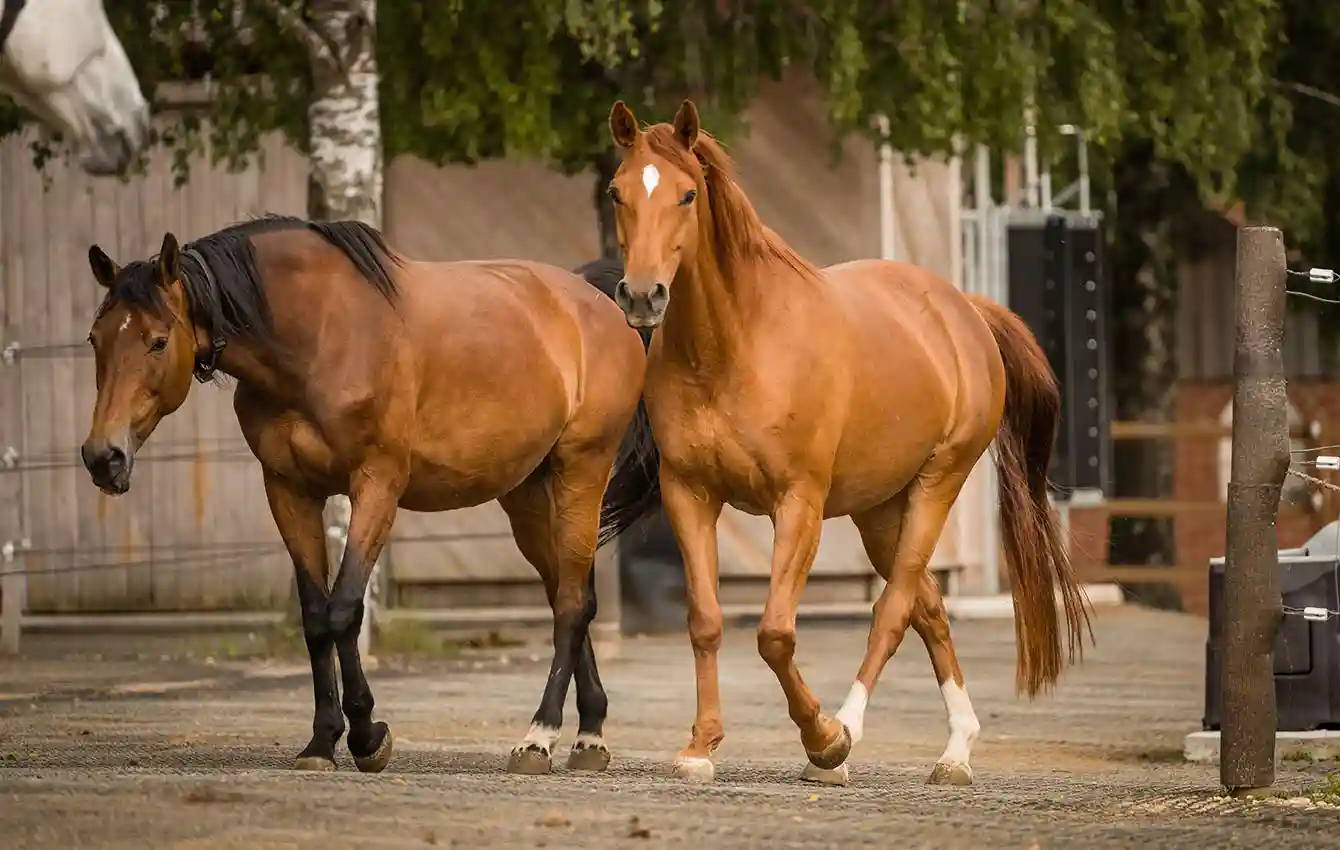
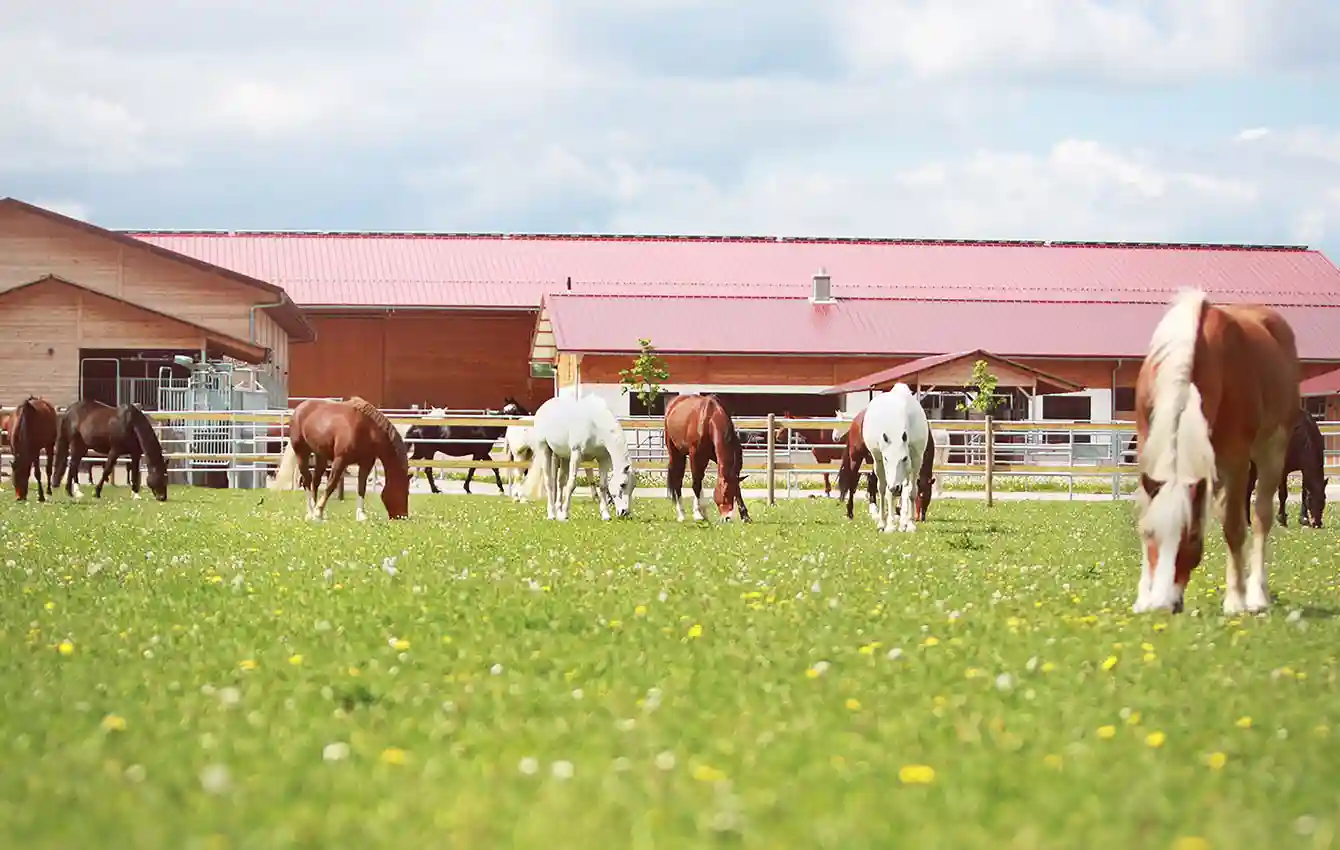
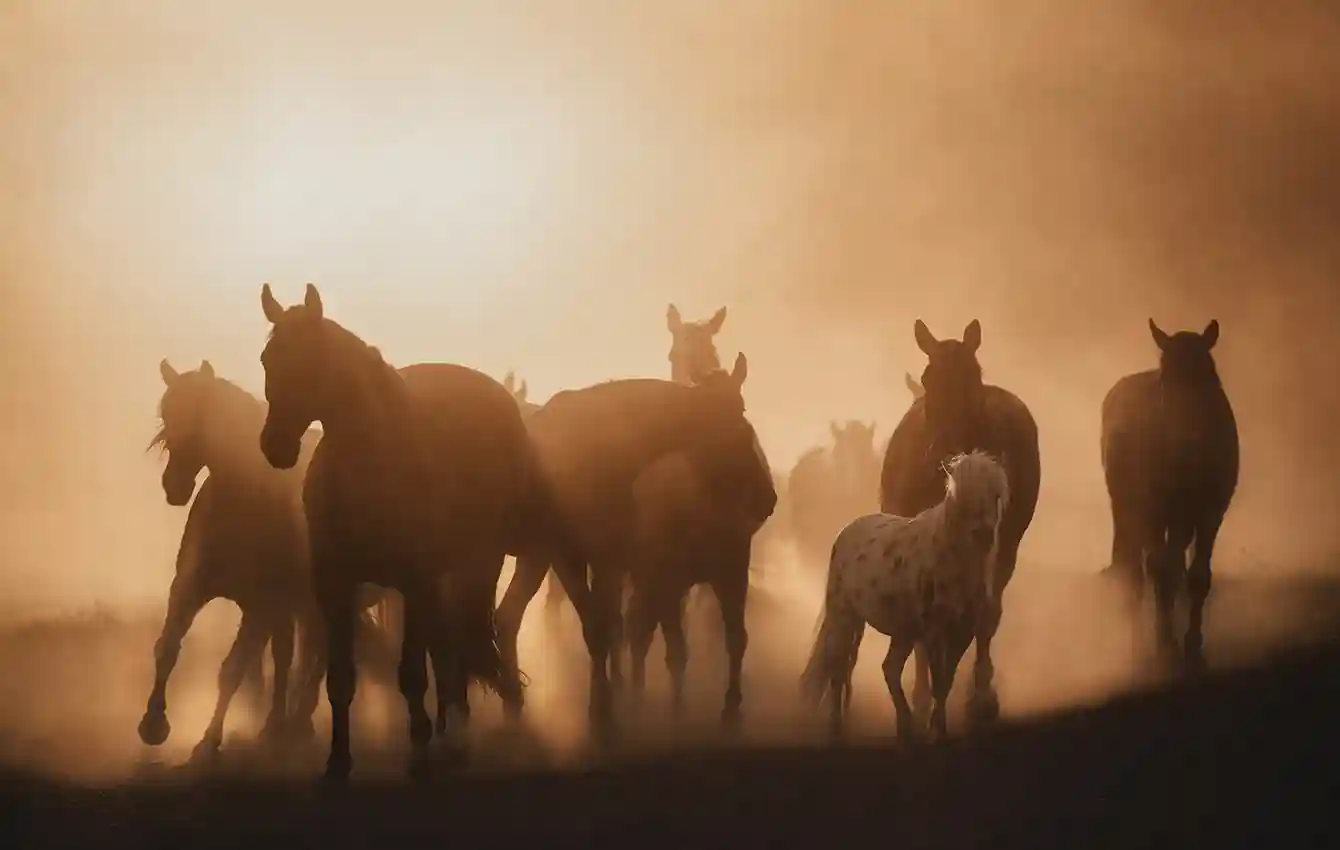
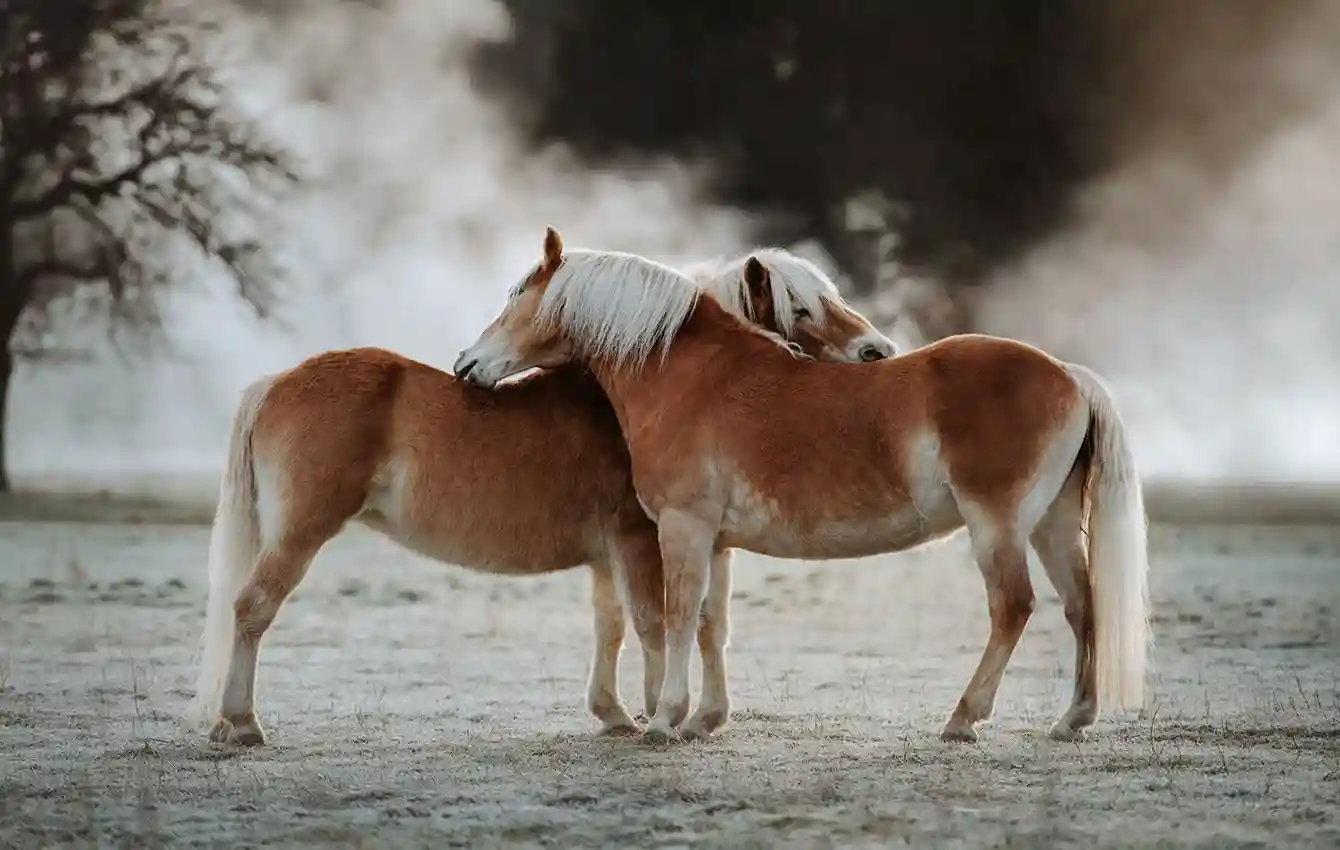
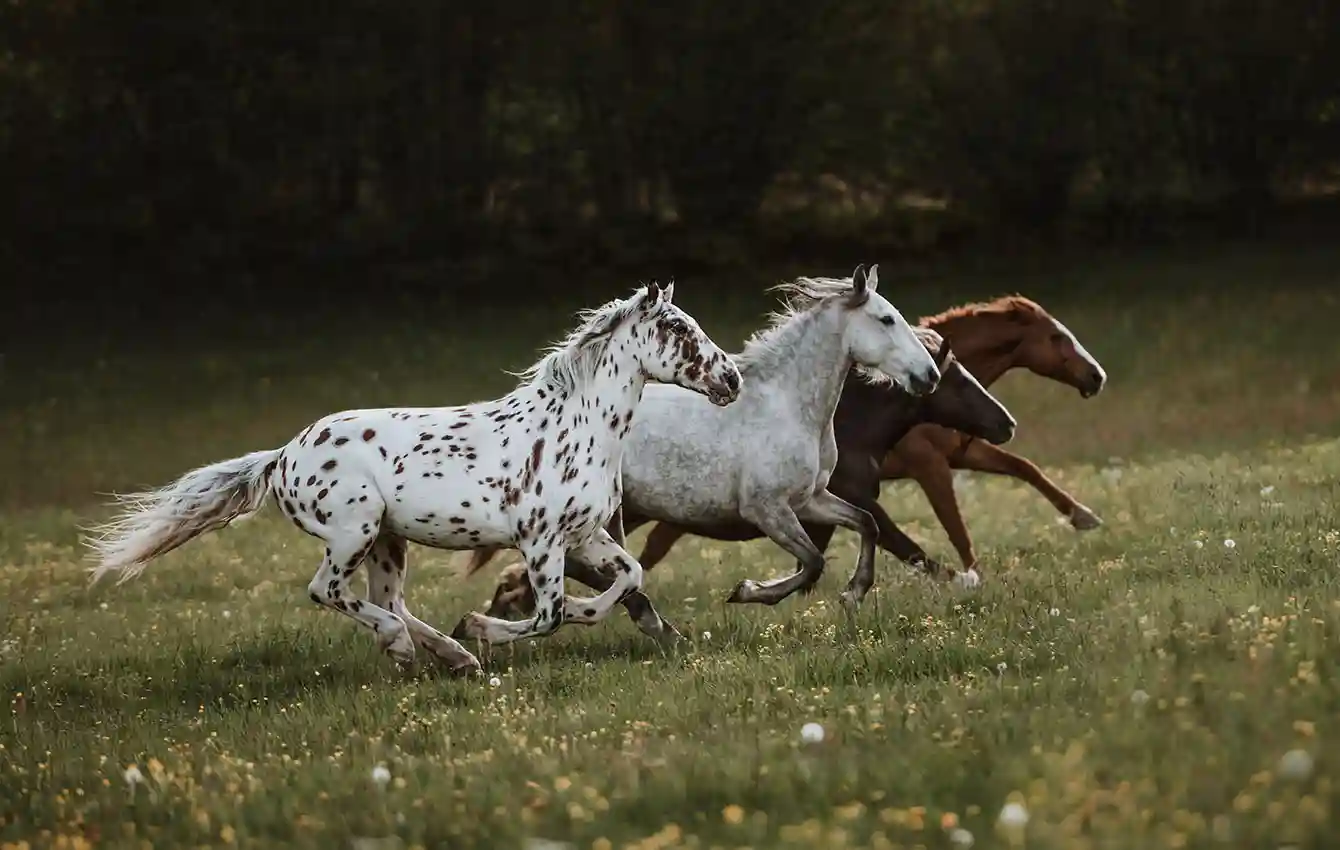
Horses are herd animals. In the HIT-Active Stable®, they can interact with others at any time. This reduces stress, prevents behavioural issues, and ensures more balanced, content horses.
Feeding
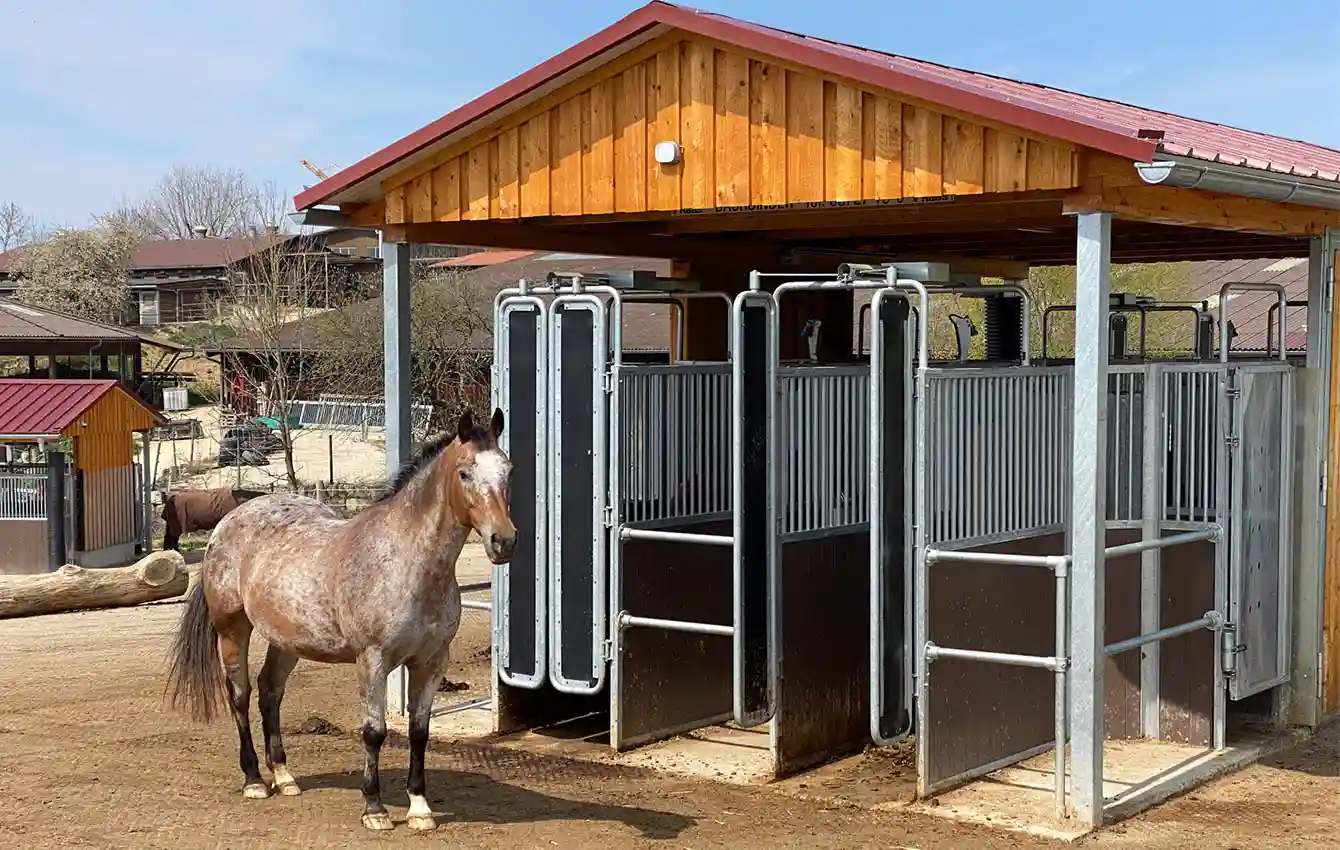
Individual, automated
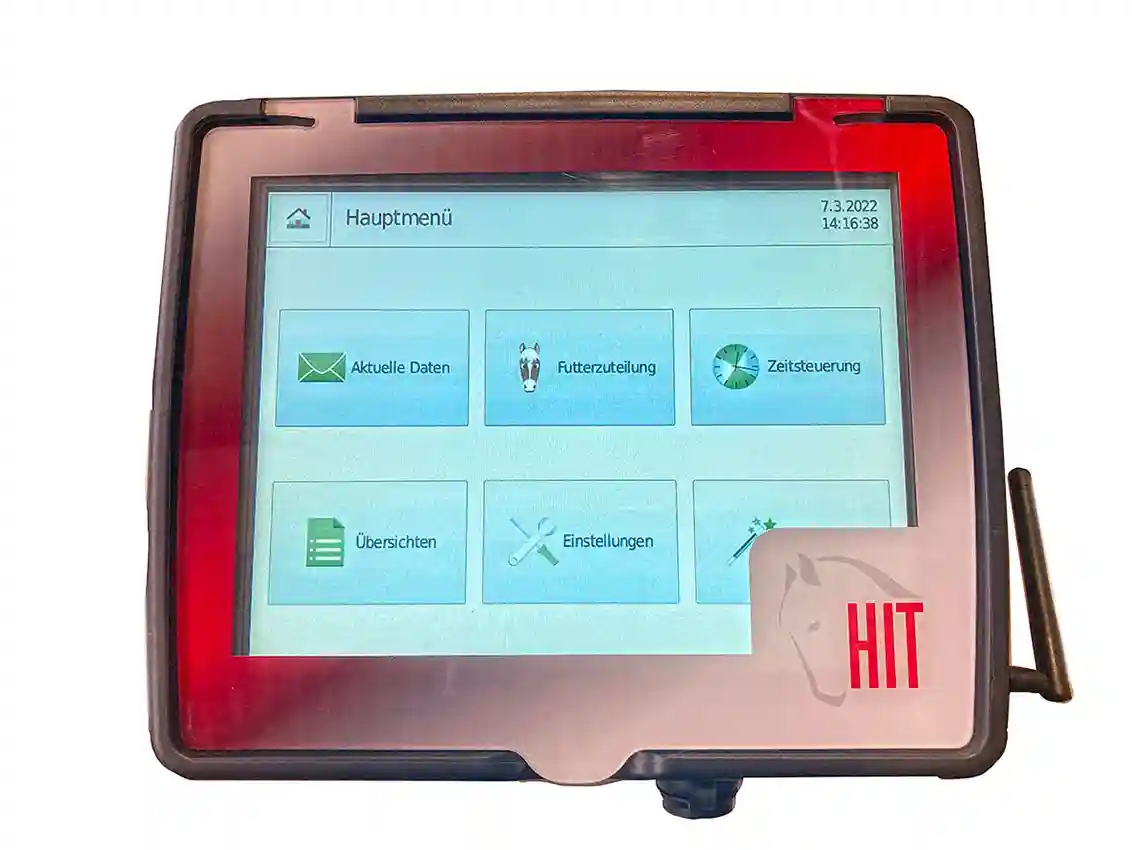
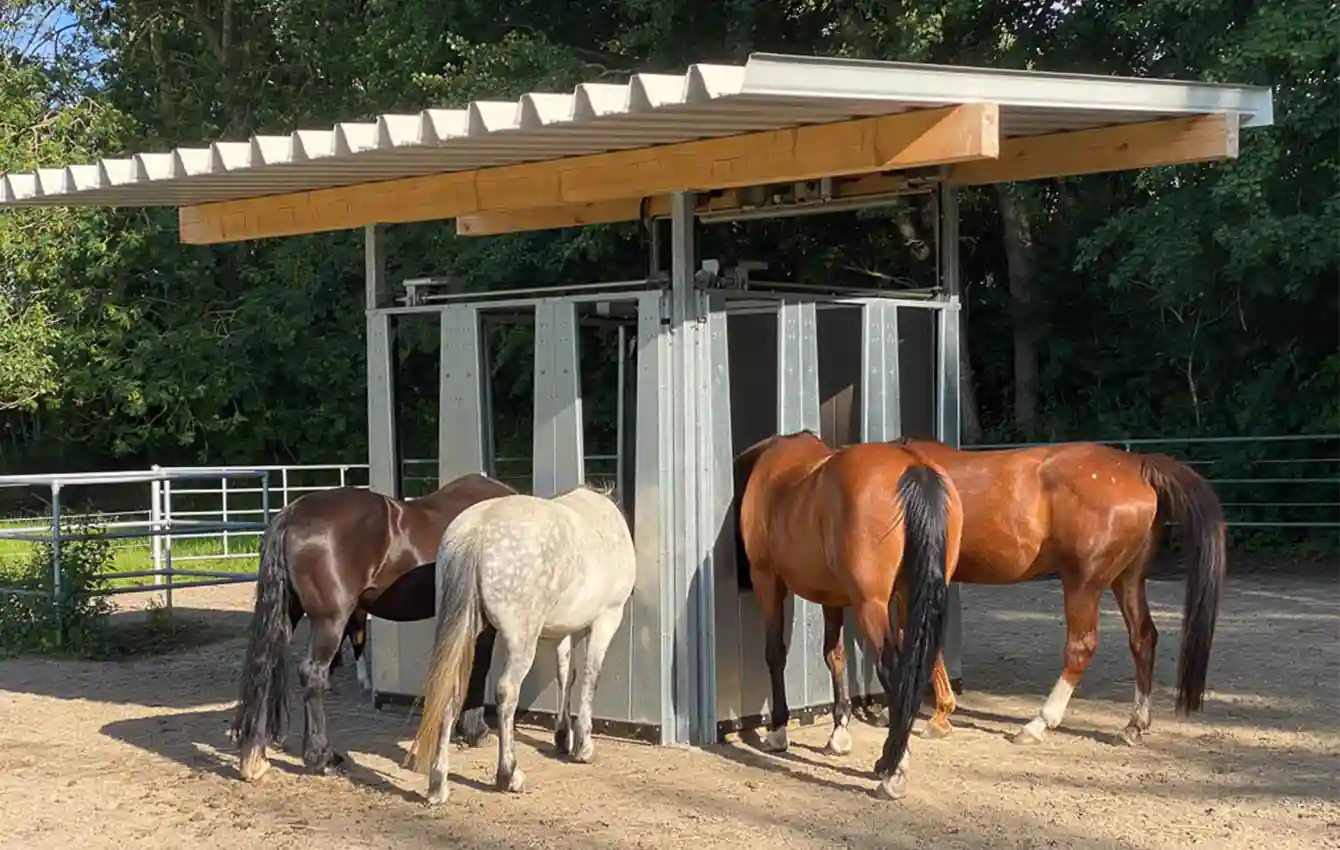
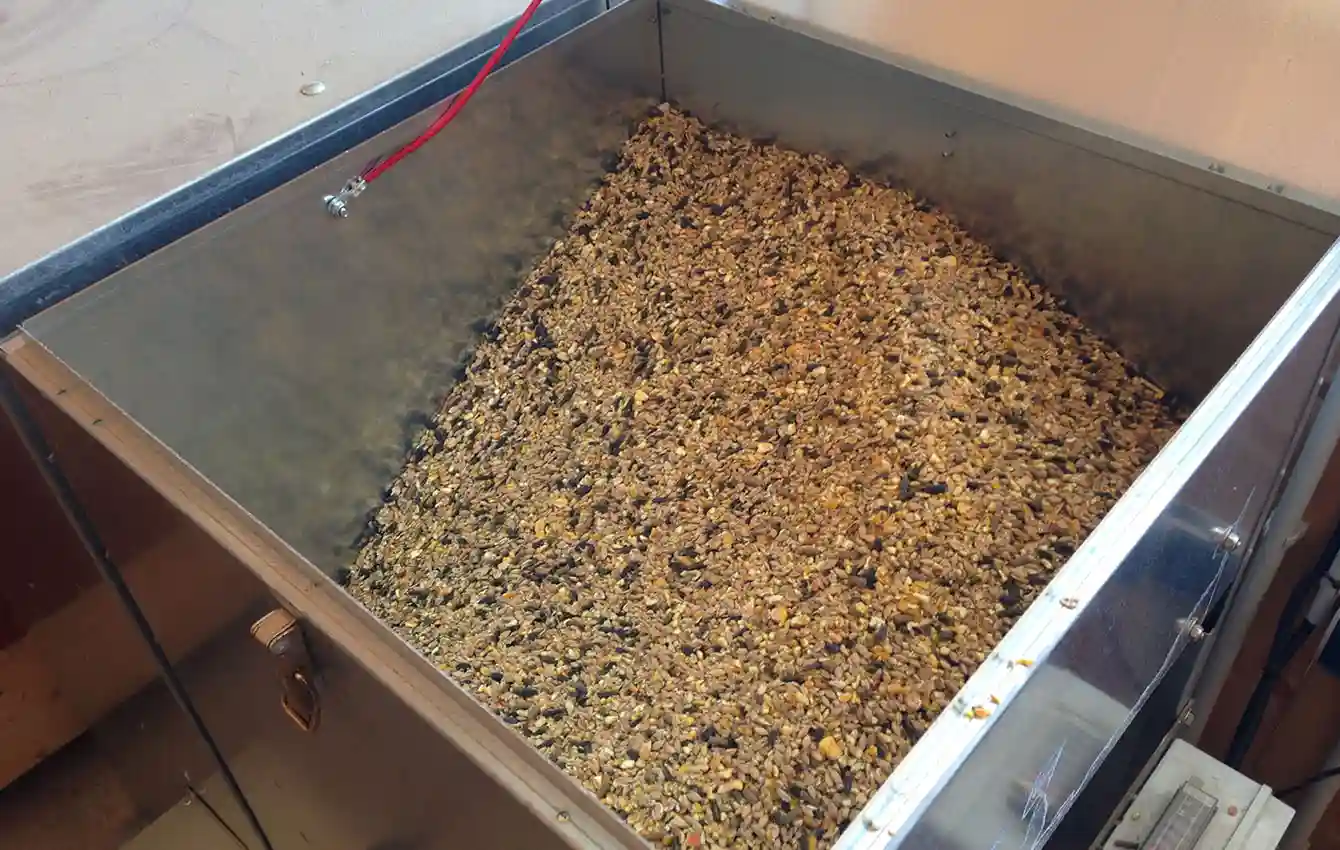
Computer-controlled feeding stations dispense concentrate, mineral feed and roughage in small portions throughout the day. Each horse receives exactly what it needs – without feed-related stress or overfeeding.


More movement
through structured routes and trails
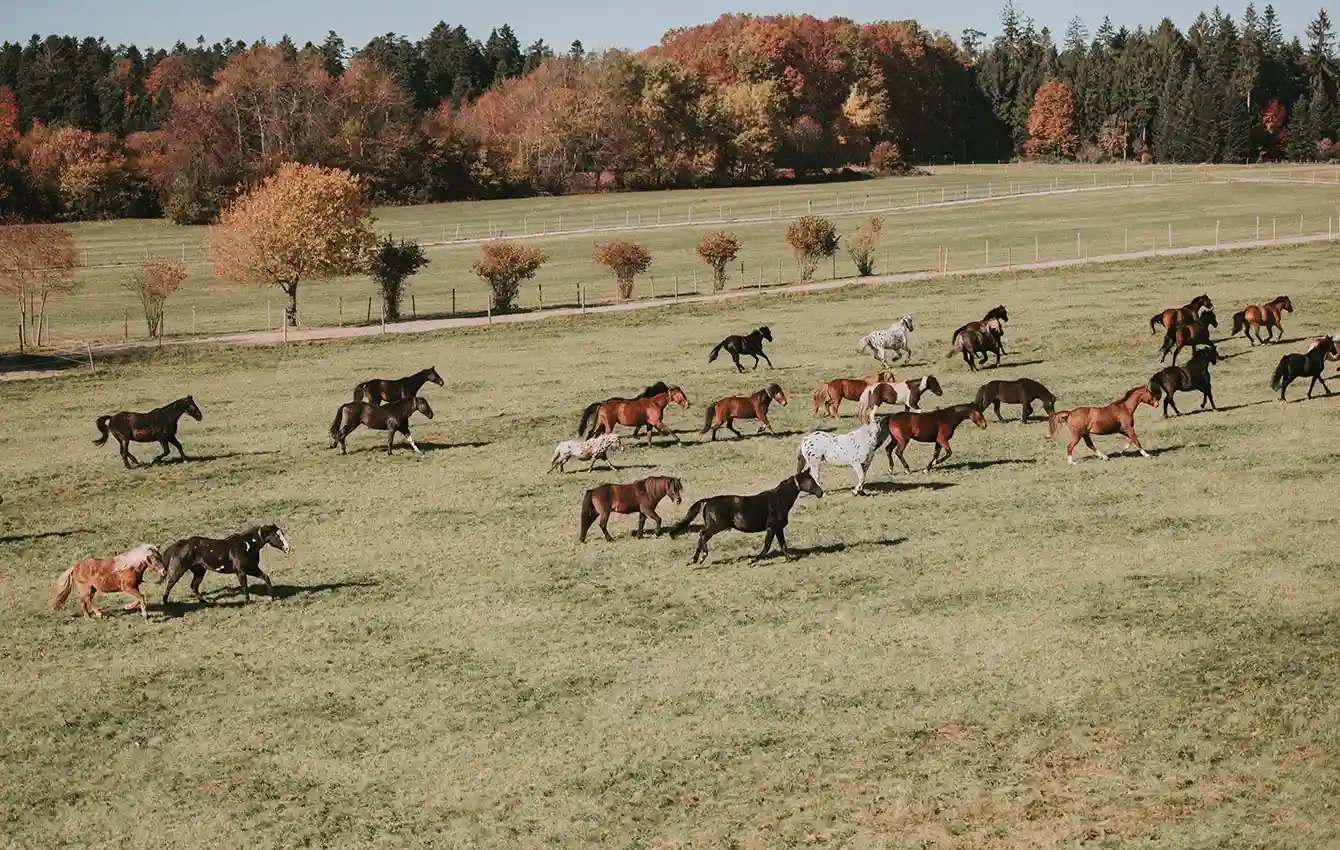
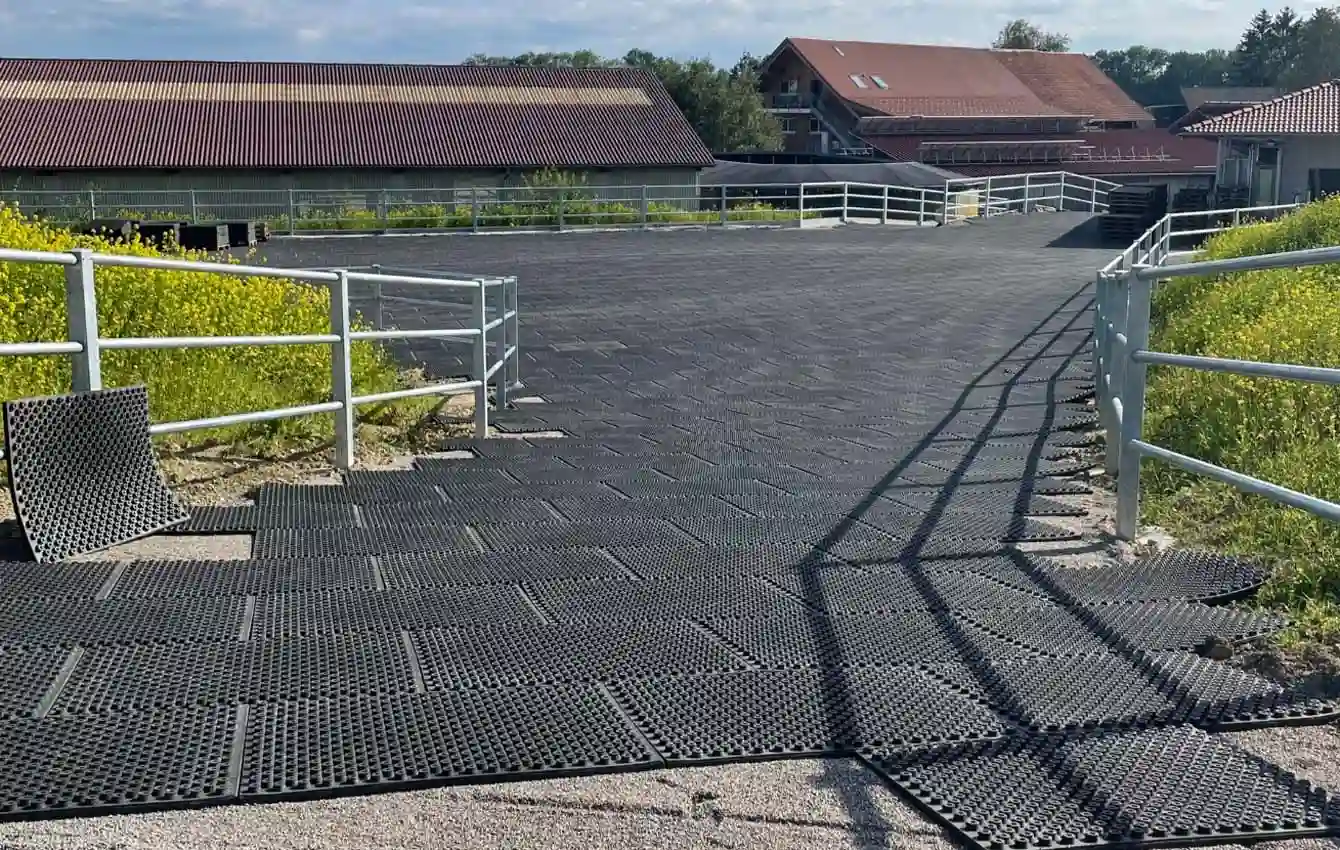
Different types of footing, long walkways and varied paths between feeding and resting areas encourage horses to stay active. This strengthens their cardiovascular system, muscles, and hoof health.
Comfortable resting areas
Generously designed, soft and dry lying zones provide ample space for resting and relaxation – essential for recovery and muscle development.

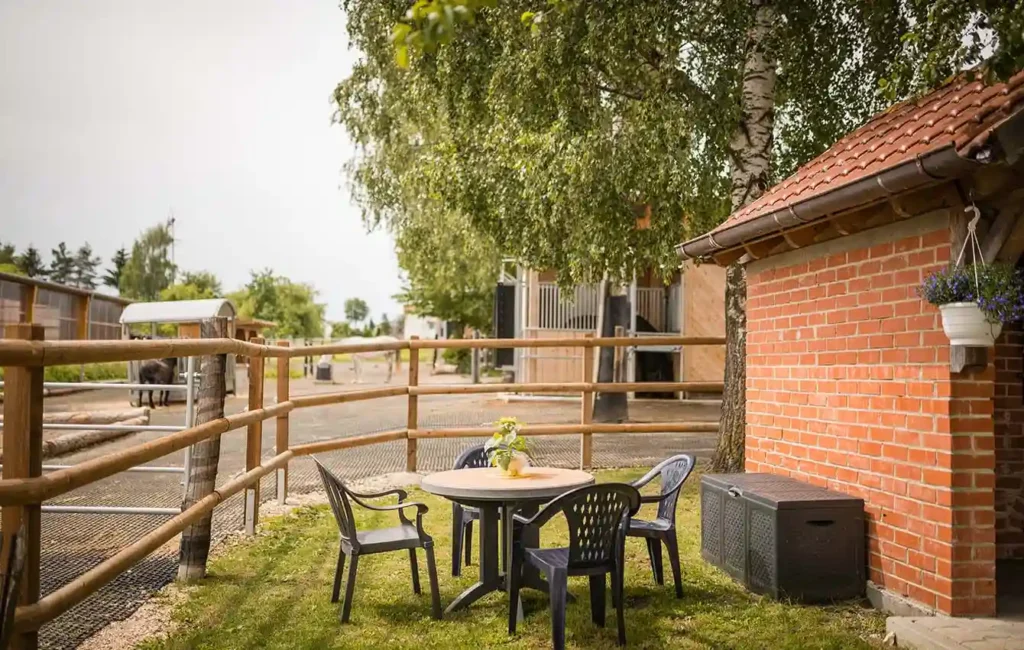
Reduced daily workload
In the stable
Thanks to smart technology and automated processes, the daily labour requirement is significantly lower. This makes the system economical and allows horses to be cared for better with far less effort.
Who is the HIT-Active Stable® suitable for?
- Livery yards, riding schools and clubs, breeding and youngstock yards, private yards
- Modernisation of existing open stables
- Conversion from individual boxes to group housing
- Conversion of cattle or pig housing into horse housing
- Senior horse management on sport horse yards
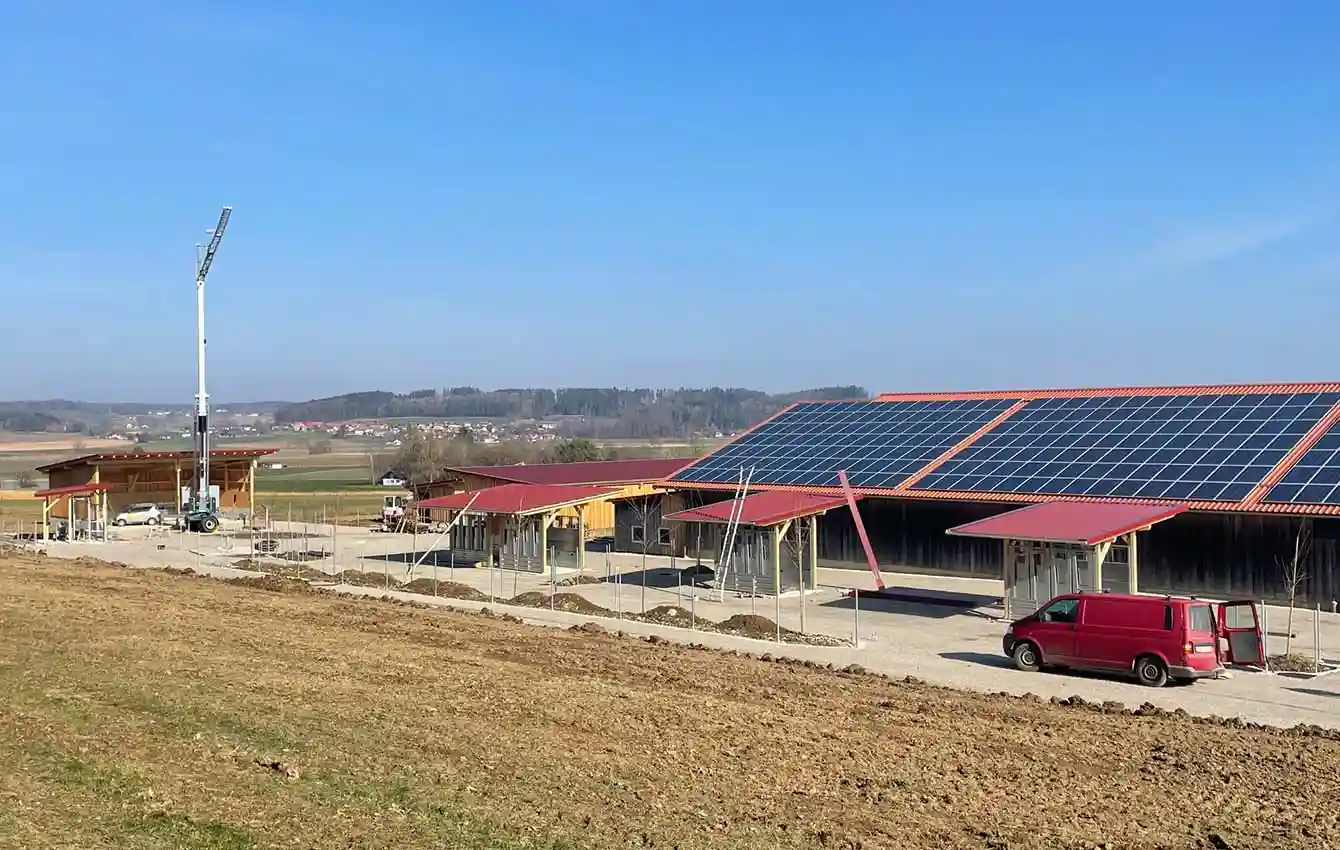
- New builds and conversions of existing facilities
- Future-proofing in the context of generational change and business handovers
- Improving traditional equestrian facilities after a change of ownership
- Yards with too much labour demand in traditional systems and a shortage of skilled staff
Horse management inspired by nature
Practical experience
- healthier, more relaxed horses
- fewer injuries and fewer days lost to illness
- reduced labour requirements
- greater appeal to horse owners
- improved economic viability